For Generation 1 fans, the LEGO Icons Optimus Prime (10302) is worth buying near its original retail price. It's one of the few LEGO sets that delivers on a real gimmick: it converts from robot to truck and back without a single piece coming off. Brickset listed a planned exit of 31 July 2026, yet the set was still on sale as of September 2026, so the question is less about quality and more about what to pay before it does leave shelves.
What the set includes
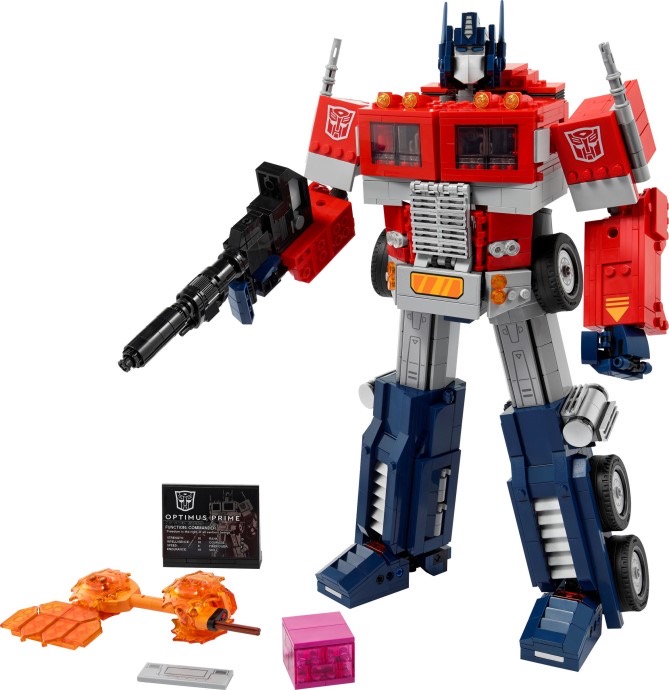
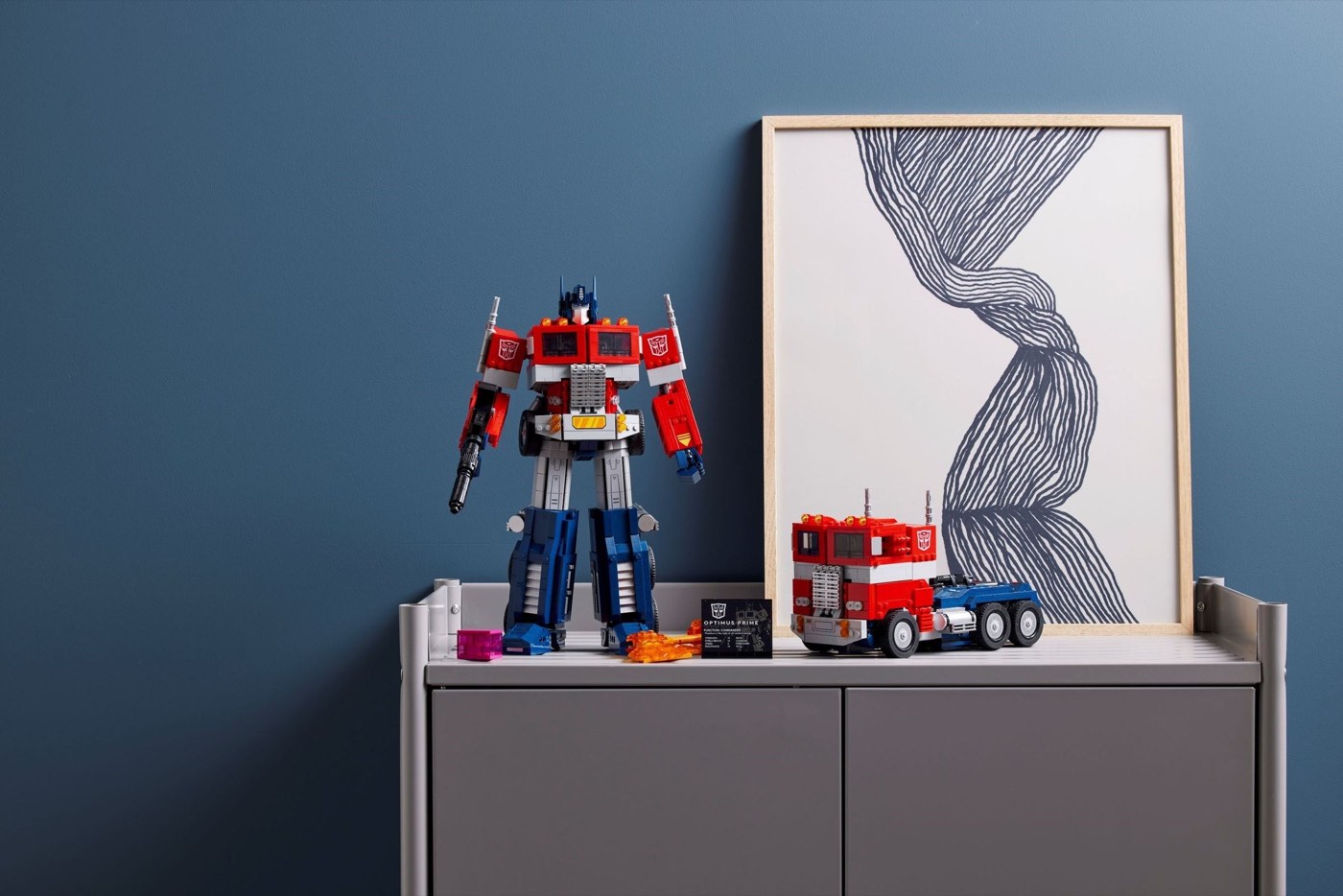
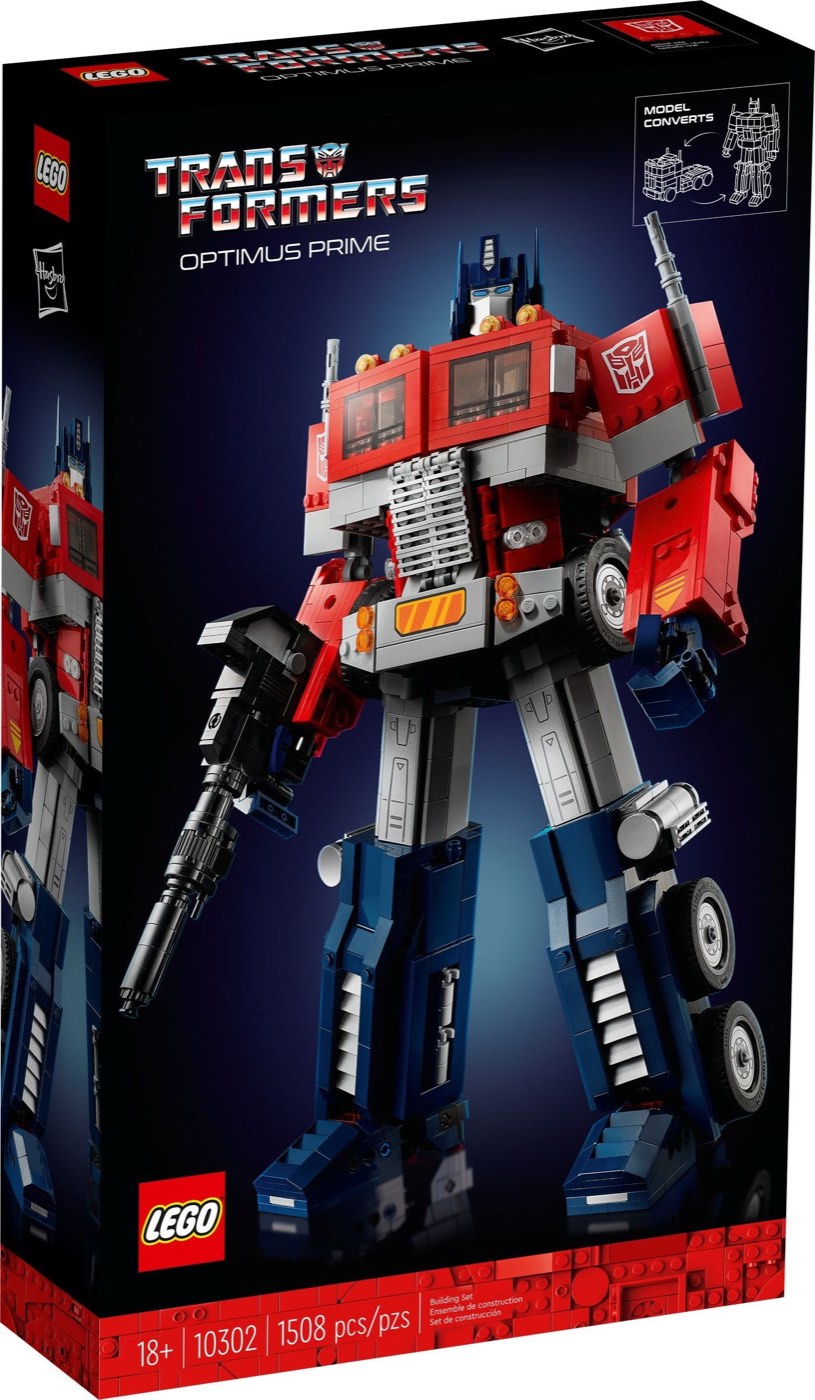
The set is 1,508 pieces, and there are no minifigures, because the model is the figure. Built, it stands about 32cm tall and weighs 1.7kg, so it has real shelf presence. It launched on 1 June 2022 at $169.99, and LEGO later raised the price to $179.99.
At the higher price that works out to roughly 12 cents per piece. Many collectors use a rough 10-cents-per-piece yardstick, so on paper this sits a little above "good value." Price per piece is a blunt tool here, though. The money goes toward an engineered gimmick that works, not a pile of common bricks. The set also ships with a solid run of accessories: the Ion Blaster, the Energon Axe, an Energon Cube, the Matrix of Leadership, a jetpack, and a display plaque.
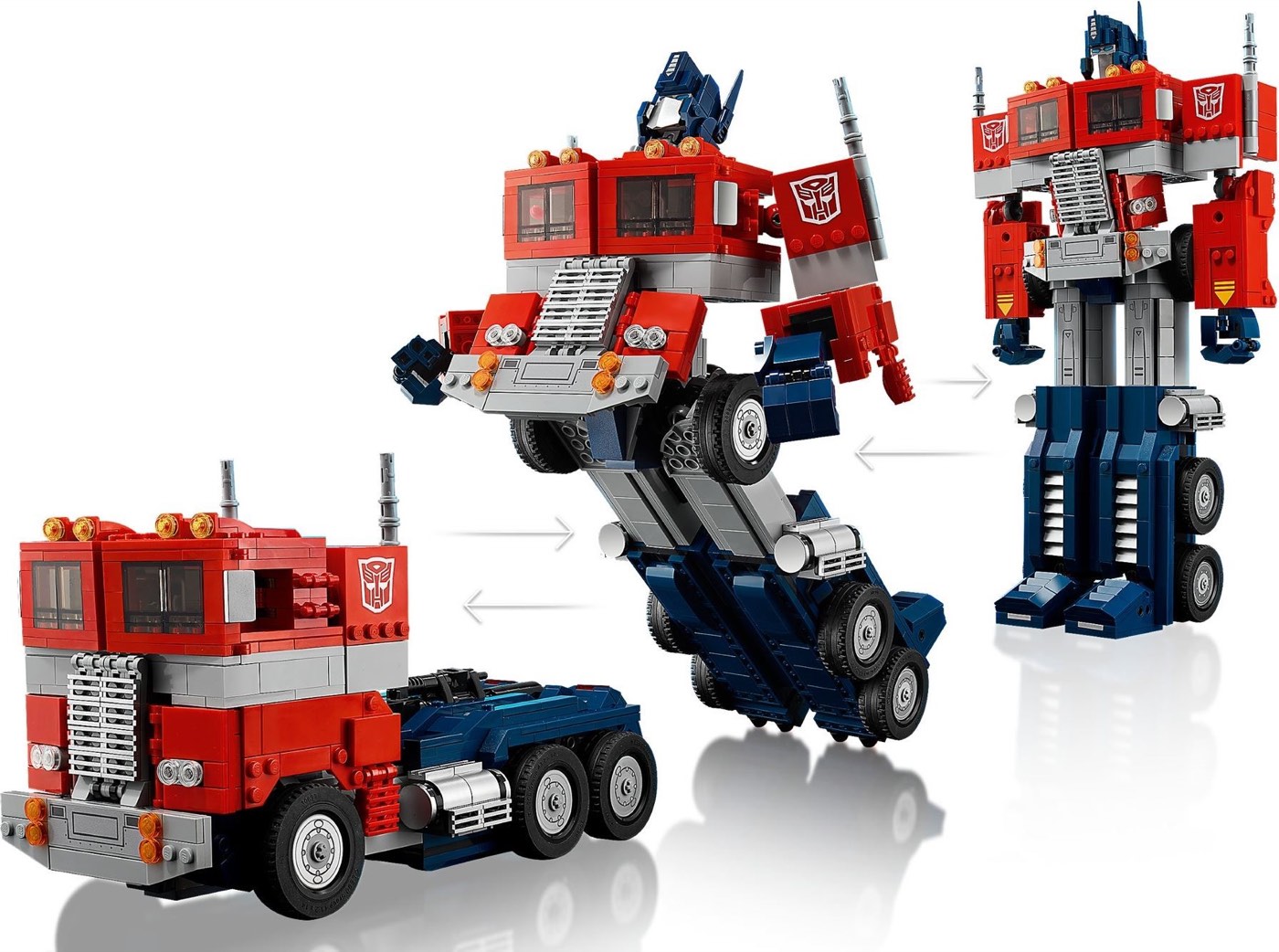
The transformation is the whole point
This is the feature that carries the set. It converts both ways, and nothing detaches. Reviewers put the change at two to three minutes once the steps are learned, and the roughly two-hour build quietly teaches that sequence along the way.
For a buyer who only wants a static robot on a shelf, the model can stay in one mode and never move. But then the engineering that justifies the price goes unused, and there are cheaper display busts on the market. The transformation is the reason this set exists.
The flaws reviewers flag
A few issues come up consistently across reviews. Jay's Brick Blog notes that the head tends to pop off during the transformation, which turns a satisfying flip into a fiddle. The face draws the most criticism: the proportions read as slightly off, and the mouth looks a little strange from some angles.
Stickers are the other recurring complaint. The Autobot logo is a printed element, but stickers appear throughout, including interchangeable stickered chest tiles that let a builder choose the toy-accurate or cartoon-accurate look. At this price, printed tiles or chrome would have landed better than stickers that have to be aligned by hand. Articulation is also limited. This is a display piece that transforms, not a poseable action figure.
What to pay before it retires
Brickset gives 10302 a planned exit date of 31 July 2026. That date has passed, and as of September 2026 the set was still listed at retail, a reminder that LEGO retirement dates are plans rather than deadlines. The pricing picture is worth understanding before buying. As of August 2026, secondary prices sat close to or slightly below the retail price, around $140, because new copies were still available at full price.
Retirement usually changes that. Sets with a built-in fanbase tend to drift upward once new supply dries out, and as of August 2026 BrickEconomy projected something like a 26% gain two years after retirement. That figure is an educated model estimate, not a promise. For a builder, the simple approach is to buy near the old retail price and treat any resale bump as a bonus. For anyone buying purely to resell, early post-retirement prices are noisy, so patience and caution make more sense than paying a large premium before the set has actually left shelves. Collectors who want to watch what a set like this is actually trading for can track it in Stud Vault.
The verdict
For a G1 fan buying near retail, this is an easy recommendation. It's the first LEGO Transformers set, it does something no static model can, and it reads unmistakably as Optimus on a shelf. Jay's Brick Blog rated it 4 out of 5, and one review aggregate scored it in the low 80s with a "highly recommended" tag. As a pure investment, the smarter play is to wait and watch rather than pay a steep early premium. The set earns its place because it transforms, not because a chart says to buy it.